Charging when temperatures fall
In freezing weather, the speed of a charging stop is governed by the temperature of your battery pack’s cells at the moment you plug in, not by the headline kilowatt rating printed on the charging stall. Understanding how the Battery Management System regulates charging current—and timing your stops so the battery arrives warm—eliminates the frustration of slow winter fast-charging sessions.
 DC fast-charging physics
Why Cold Packs Throttle DC Kilowatt Intake
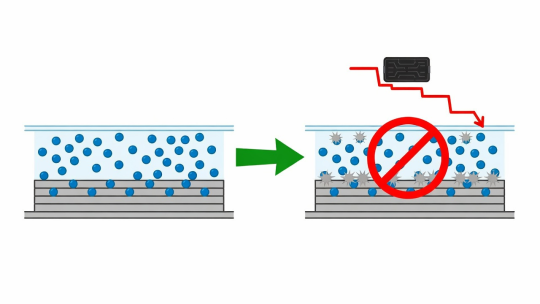
During DC fast charging, lithium ions must intercalate (slip between the atomic layers) of the graphite anode rapidly. When cell temperatures are below +10 °C, ions arrive at the anode surface faster than they can diffuse inward. If the charger pushed 150 kW or 250 kW into a -5 °C pack, lithium ions would deposit as metallic lithium on the anode surface, permanently degrading capacity and safety margins.
To prevent this, the vehicle’s BMS negotiates a strict current limit with the DC charger. A car capable of 200 kW in summer may initially request only 25 kW to 45 kW at -10 °C while routing another 5 kW to 10 kW from the charger directly into the pack’s coolant heater. As the cells warm over 15 to 25 minutes, the charging power steps upward.
 Routing & timing
En-Route Preconditioning & Charging on Arrival
Two habits transform winter DC charging performance:
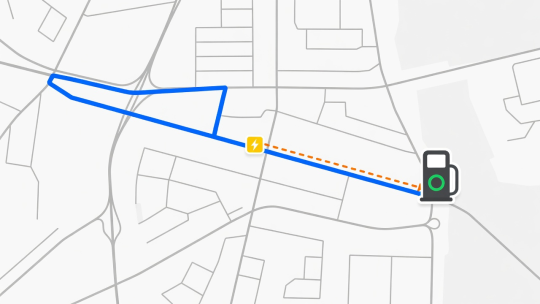
1. Trigger En-Route Battery Conditioning: Most modern EVs heat the battery pack automatically when you select a high-power DC charger as a waypoint in the built-in navigation system (or when you press a manual battery pre-heat button 30–45 minutes before arrival). Even though pre-heating uses 2 to 4 kWh of battery energy, arriving with a +22 °C pack instead of a -5 °C pack can save 20 to 30 minutes at the plug.
2. Charge Before Parking Overnight: Never park at a ski resort or hotel with a cold 12% battery intending to fast-charge first thing the next morning. Always charge immediately at the end of your highway drive while the pack is already warm from driving.
Level 1 vs Level 2 AC Charging in Deep Freezes
When charging at home or at an overnight lodge, alternating current (AC) flows through the car’s onboard charger. At sub-zero temperatures, the BMS will not allow lithium-ion cells to accept charge if internal cell temperature is below 0 °C. It must first run the battery heater.
| AC Power Source | Typical Power Delivered | Performance at 0 °C to -10 °C | Performance Below -15 °C |
|---|---|---|---|
| Domestic Socket (Level 1 / Schuko / 120V–230V 8A–12A) | 1.4 kW to 2.3 kW | Slow net gain; conversion & thermal overhead consume 20%–35% of input. | Pack heater may use 1.5 kW+ continuously, leaving very little power to raise State of Charge or pre-heat the cabin. |
| Dedicated Single-Phase Wallbox (32A / 230V–240V) | 7.0 kW to 7.4 kW | Easily warms pack and restores full battery overnight with grid left over for cabin defrost. | Provides ~5 kW net charging even while battery heater runs; fully supports departure timers. |
| Three-Phase European Wallbox (16A / 400V) | 11.0 kW | Ideal winter setup; rapid recovery and effortless simultaneous cabin + battery preconditioning. | Matches peak thermal draw of high-voltage PTC heaters (6–8 kW) without drawing down the battery pack at departure. |
Preventing Frozen Charge Flaps, Connectors and Cables
Mechanical ice buildup around the charging port is one of the easiest winter nuisances to avoid when you know how the latch and locking actuator work:
- Treat Rubber Port Gaskets Before Winter: Wipe the rubber weather seal around the charging flap with a silicone care stick or glycerine rubber conditioner in late autumn. This stops wet snow from bonding the door shut when temperatures plunge overnight.
- Keep the Connector Locking Pin Clear: Both CCS2 (Europe) and NACS/SAE J3400 (North America) connectors use a small motorized locking pin to secure the plug during charging. Before inserting a cable, tap off any packed snow and inspect the upper latch groove; ice packed into the socket can prevent the pin from engaging and abort the handshake.
- Use Magnetic Snow Covers in Freezing Rain: If your driveway is exposed to sleet or wet snow while charging overnight, fit a simple magnetic fabric port sleeve around the handle, or fold down the inner dust caps on the unused DC pins.
- Know Where Your Manual Release Cable Is Located: If a charging connector ever freezes into the port or the actuator pin sticks, never pry the handle with a screwdriver. Instead, run cabin/port pre-heating for 10 minutes, unlock the doors twice on the key fob, or gently pull the manual emergency release cord located behind the interior boot or frunk trim panel as shown in your vehicle’s manual.